Garden Clearance in Hounslow
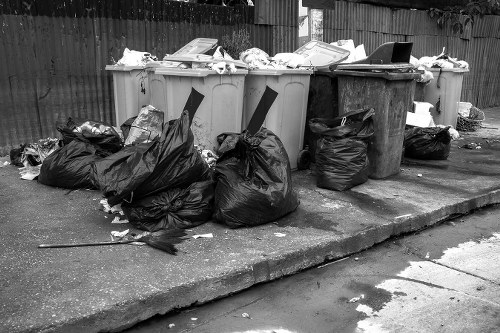
Garden clearance in Hounslow means clearing away unwanted outdoor waste so a garden can be used, maintained or redesigned with less hassle. We handle the practical removal of branches, hedge cuttings, soil, green waste, broken outdoor items and mixed garden clutter, then separate material where it makes sense to do so. The aim is a tidy, workable space that is easier to manage, whether the job is a single overgrown corner or a full seasonal clear-out.
Our garden clearance service is suited to front gardens, rear gardens, communal outdoor spaces and access routes that have built up with waste over time. It can include loading, lifting, tidy collection and the responsible transfer of reusable, recyclable and non-recyclable materials. If you are looking to reclaim ground, prepare for landscaping or simply restore order after routine garden work, we can help organise the removal in a straightforward way.
For a quote, tell us what needs clearing and what kind of access the garden has. If you already know the main items, that is a good starting point; if not, a brief description is enough to begin. A clear scope helps us understand the likely work involved, and it also makes it easier to discuss the most suitable approach before anything is booked.
What our garden clearance service covers
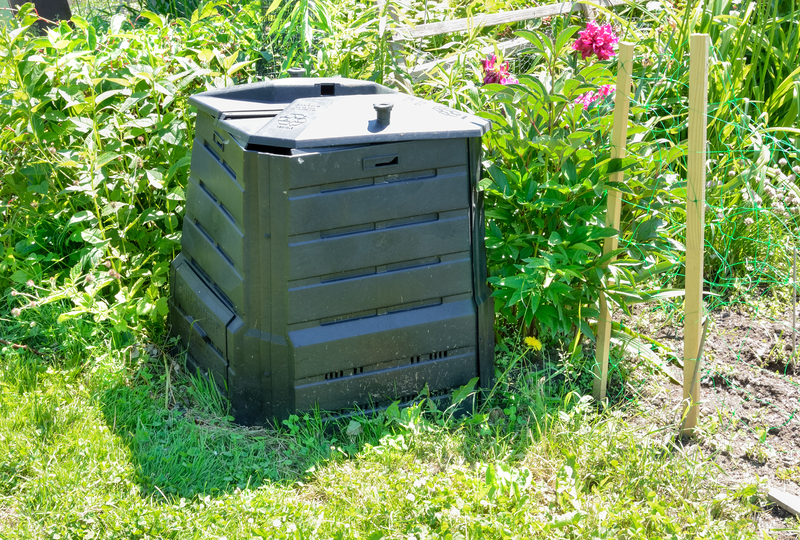
Garden clearance is not just about taking away loose green waste. In many gardens, the real task is combining several types of material into one organised removal job. That may mean cuttings from pruning, bags of leaves, fallen twigs, old plant pots, damaged edging, soil from digging work or broken furniture left outside. We focus on practical clearance, so the space is left ready for whatever comes next, whether that is maintenance, replanting or a larger outdoor project.
Where material is still in a useful condition, we look at how it can be handled sensibly alongside other waste streams. Mixed garden loads often need sorting so that green waste, timber, metal and general rubbish do not all travel the same route if they can be separated properly. This is one reason a proper garden clearance can be more efficient than treating every item as a single category. Our recycling and sustainability approach gives further detail on how this part of the work is considered across different jobs.
Typical items removed from gardens
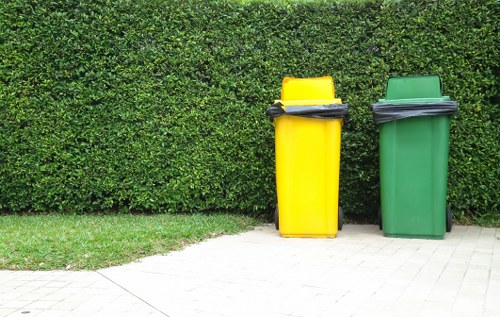
A garden clearance can cover a wide range of materials, from light organic waste to awkward bulky pieces that are best removed by hand. Common examples include hedge trimmings, grass cuttings, branches, leaves, roots, old compost bags, damaged fencing sections, plant supports and broken outdoor storage. We can also clear items that have been left after DIY or seasonal tidying, so the job is not limited to simple green waste alone.
For larger clearances, it is often helpful to think in terms of what is actually taking up space rather than what was originally intended for the garden. Old decking offcuts, cracked pots, surplus paving, rusted equipment and unused household items stored outside can all become part of the same task. A careful approach avoids unnecessary handling and keeps the process more organised from the start.
When you are ready to compare options, a short description of the main items is usually enough to begin shaping a quotation. You do not need to write a long inventory before making contact. Pricing and quotes explains the general factors that can affect how a job is assessed, including the amount to be cleared and the work involved in loading.
How we handle garden waste and mixed outdoor clutter
Some clearances are mainly green waste, while others include a combination of plant material, wood, metal and general rubbish. We deal with both types by matching the collection method to the load in front of us. That means there is no need to treat a practical garden clear-out as two separate jobs when one organised removal is more suitable. The key is to keep the work safe, efficient and proportionate to the amount of material present.
Items are lifted, gathered and loaded with attention to the shape of the garden and the way people need to move through it. Narrow paths, side access, shared entrances and areas with uneven surfaces all influence how a clearance is carried out. For this reason, it is useful to describe access clearly when asking for a quotation. If the garden is behind a property, through a side return or down steps, that helps set expectations about the amount of handling involved.
When garden clearance is useful

People often arrange garden clearance before landscaping, re-turfing, fencing, planting or letting a space recover after periods of neglect. It can also help after storms, after seasonal pruning or after a long stretch where outdoor upkeep has slipped behind. In each case, the goal is similar: remove the surplus material so the remaining garden is easier to assess and work with. That is particularly useful when the next step depends on having a clean base to start from.
There are also times when a garden has become cluttered with items that were never intended to stay there permanently. Store-bought planters, damaged chairs, faded toys, broken tools and forgotten household pieces can all accumulate outside. A single clearance visit can bring these together with the green waste so the space feels more coherent again. If you are planning another project afterwards, it is usually simpler to clear first and then decide on the next stage.
For other outdoor and mixed-load needs, the available service pages include garden clearance, waste removal and builders waste clearance. Those pages may help if your job is mainly green waste, a mixed general load or material left behind after exterior work.
Gardens, access and the practical side of planning
Two details make a big difference to any garden clearance: what needs removing and how we get to it. A rough description of the load is useful, but access matters just as much because it affects lifting, carrying and loading. A clear route from the garden to the collection point can make the work simpler, while tighter spaces, steep steps or shared passageways can add complexity. This is why we ask for practical information rather than guesswork.
If you are sending details, it helps to mention any awkward access, the general size of the area and whether there are heavy or bulky items mixed in with the green waste. Photos can also be helpful when you have them. They do not need to be perfect; they just need to show the scale and the main materials. That gives a better basis for a quotation and helps avoid misunderstandings about what is included. Contact us to start that process when you are ready.
Household items often found in garden clearances
Not every outdoor clearance is made up of garden waste alone. It is common to find household items that have been moved outside and left there over time, including furniture, storage boxes, old toys, broken tools or redundant appliances that no longer belong inside the home. Where these are part of the same job, we can usually combine them into a single clearance plan rather than separating the work into multiple visits.
That flexibility is useful when a garden acts as an overflow space for general clutter. Clearing those mixed items can make the outdoor area easier to use and can also reveal what genuinely needs repairing, replacing or keeping. If your job is more about bulky outdoor items than cuttings and soil, related services such as furniture disposal and furniture clearance may also be relevant depending on the mix of items involved.
For straightforward organising, think about what is being removed in broad categories rather than trying to force everything into one label. That keeps the quotation accurate and helps the collection run more smoothly. A concise description of the load is enough for the first step; a full breakdown can follow if needed.
About Hounslow
Hounslow is a large district in west London with a long history shaped by movement, trade and suburban growth. It lies within the London Borough of Hounslow and has strong transport links that have influenced its development for centuries, including the old London road network and later rail and Underground connections. The area takes its name from Hounslow Heath, once a much more extensive common and open landscape than the built-up district seen today. That heath has an important place in local history because it was used for military mustering and training, and it appears in records from the Tudor period onwards. Over time, the spread of housing, shops and civic buildings gradually replaced much of the open land, but traces of earlier geography remain in place names and in the broader pattern of roads and open spaces. The district now combines residential streets, commercial uses and transport corridors, giving it a character that is both practical and varied. Hounslow High Street remains one of its central urban routes, while nearby green spaces and surviving commons help balance the denser built environment. The area also has a diverse cultural identity shaped by long-term settlement and later migration, which is reflected in its shops, places of worship and everyday street life. This mixture of history, movement and adaptation is part of what makes Hounslow recognisable as more than just a point on a map.
Loose ends, bulky waste and general outdoor clear-ups
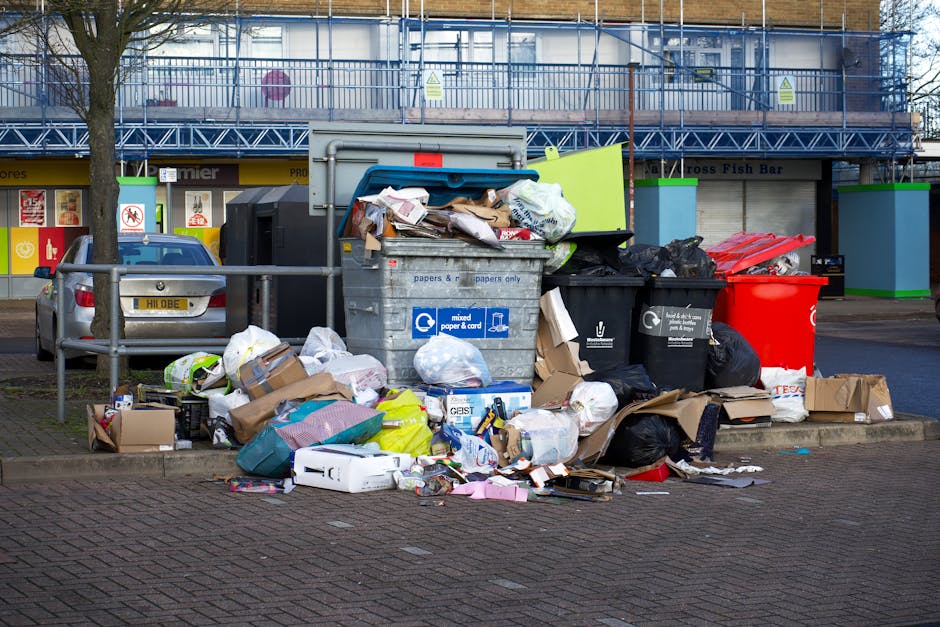
Garden jobs can expand beyond plants and soil very quickly. One corner of a yard may hold bags of mixed rubbish, while another contains timber offcuts, old broken equipment or damaged containers that have been sitting unused for years. We approach those jobs as practical clear-ups rather than trying to separate every item artificially. The result is a more usable space and a clearer view of what remains once the unwanted material is gone.
When mixed rubbish is involved, it is sensible to mention whether the load includes sharp objects, wet waste, heavy items or anything that has been stored outside for a long time. Those details help us understand the handling required and avoid surprises on the day. If you are dealing with a broader outdoor clear-up, the information on home clearance and flat clearance may be helpful if similar household items are involved alongside the garden waste.
What affects the quotation

Quotes for garden clearance are generally shaped by the amount of waste, the type of materials, the time needed for loading and the ease of access to the garden. A pile of light branches is different from a mixed load of soil, turf, broken timber and general rubbish, even if the area looks similar at first glance. The more accurately the work is described, the more useful the quotation is likely to be.
It can also help to know whether the garden is partially cleared already or whether everything needs to go in one visit. Some customers only need a specific section removed, while others want a complete reset before planning further work. Either way, the quotation should reflect the actual task rather than an assumed average. We aim to keep the discussion clear and practical, so the next step feels straightforward rather than complicated.
If the clearance forms part of a larger property project, you may want to look at house clearance or loft clearance as well, especially where indoor clutter and outdoor waste are being handled together. Those pages can help you see how separate types of removal are usually approached within the same overall plan.
Preparing a garden clearance request
A useful request for quotation does not need to be long. The most helpful information is usually the type of waste, the approximate volume and any access issues that might affect carrying or loading. If there are large items, hidden waste at the back of the garden or steps on the route out, mention them briefly. That way, the response can be based on the actual job rather than a rough assumption.
You can also note whether the clearance is urgent, planned around another contractor or intended as part of general tidying before a garden project. Those points help frame the timing, even if they do not change the type of work itself. If you have photos, they can support the description, but they are not always essential. The aim is to make the quotation stage clear enough that you know what is included before anything goes ahead.
Choose the level of clearance that fits the space

Some gardens need a light tidy-up; others need a deeper clear-out where years of accumulated material have to be removed before the space is usable again. The right approach depends on the condition of the garden and the kind of waste present. A smaller task may focus on green waste and a few unwanted objects, while a larger one can include mixed materials and awkwardly placed items that need more careful handling.
If you are unsure what level of service is appropriate, start with the main issue rather than the perfect label. Saying that the garden is overgrown, cluttered, mixed with household items or blocked by bulky waste is enough to begin a sensible conversation. If you want to move ahead, request a quotation and give a short outline of the space, the access and the main items that need clearing.
Tell us what the garden looks like now and what you want it cleared down to; that is usually the simplest way to get a useful answer. Once the main details are known, the job can be matched more closely to the work involved, whether it is simple green waste removal or a broader outdoor clearance with several types of material.